Good materials. No shortcuts.
Every piece we sell starts as vegetable-tanned cowhide in an Istanbul workshop and ends with a lifetime guarantee. What happens in between is why it looks better in ten years than it did the day it arrived.
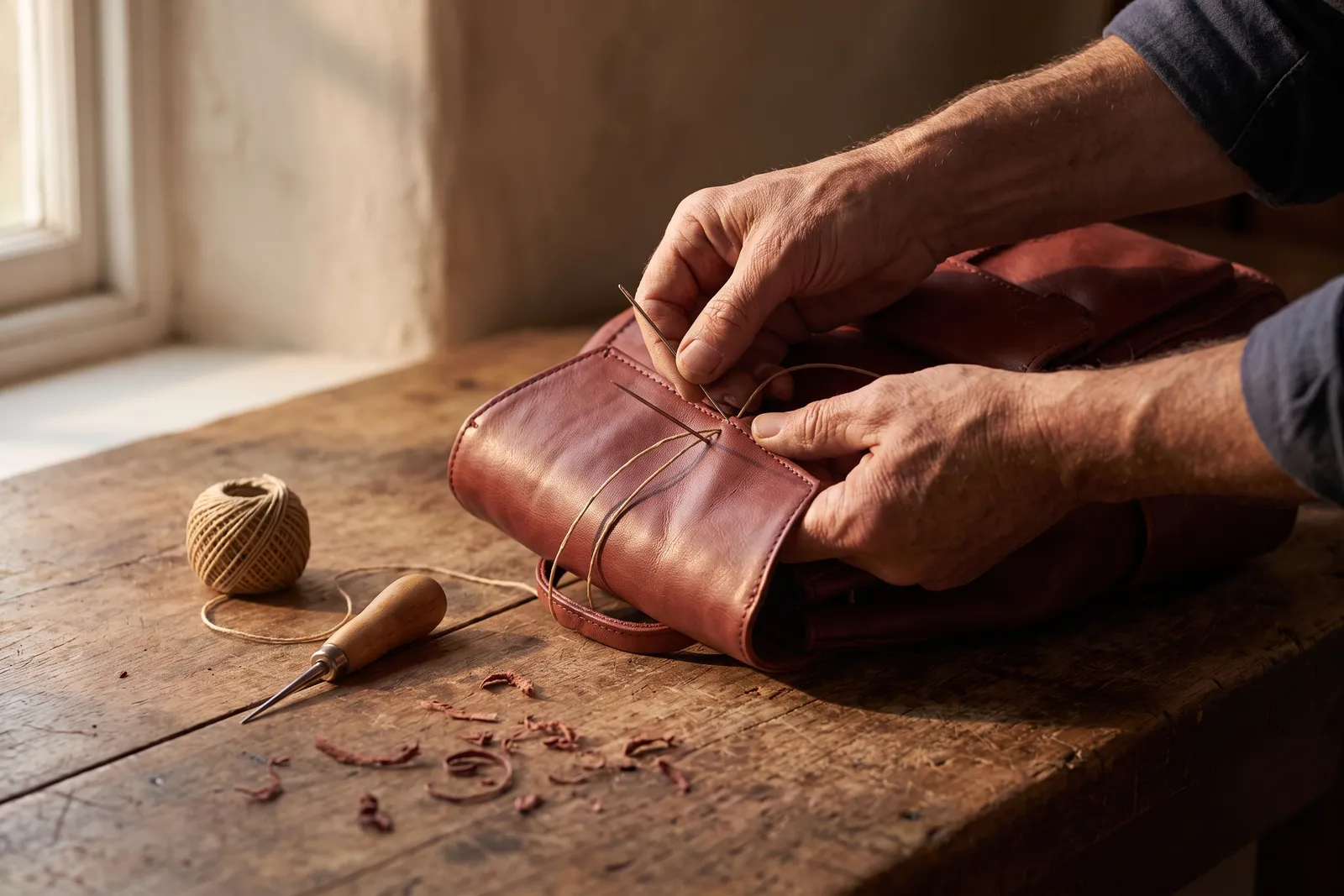
Built to be repaired.
Most bags are built to a launch date — glued seams, coated split leather, hardware that cannot be reopened. They look finished precisely because they cannot be fixed.
The pieces we sell are built the other way: seams sewn by hand so they can be opened and redone, hardware chosen to outlast the bag, and leather that improves with age. A repair promise is only as good as the construction behind it — this is the construction.
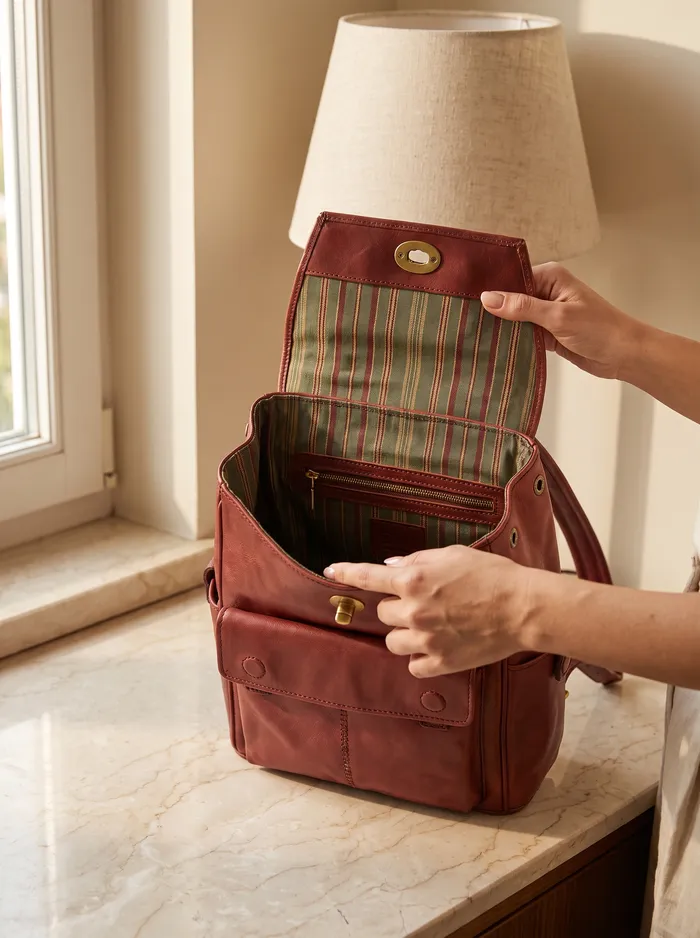
From hide to finished piece.
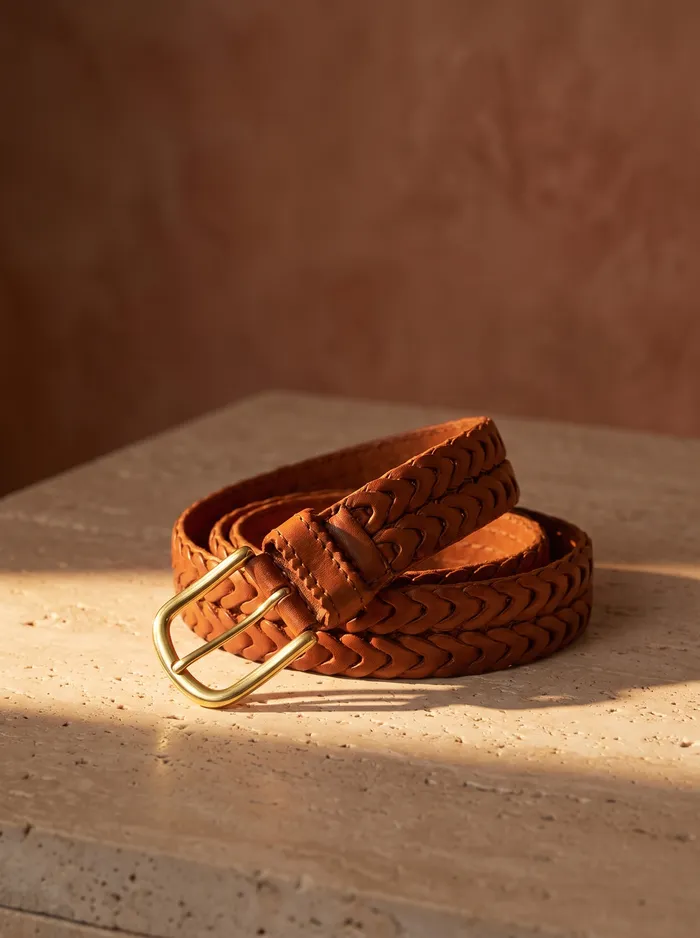
Selection
Uncoated leather hides nothing. That is also what lets it age.
Every hide is vegetable-tanned with eco-friendly agents and kept natural — no coating, no correction. Scars and stretch marks are marked and cut around, and only the clean part of the hide goes on to become a piece.
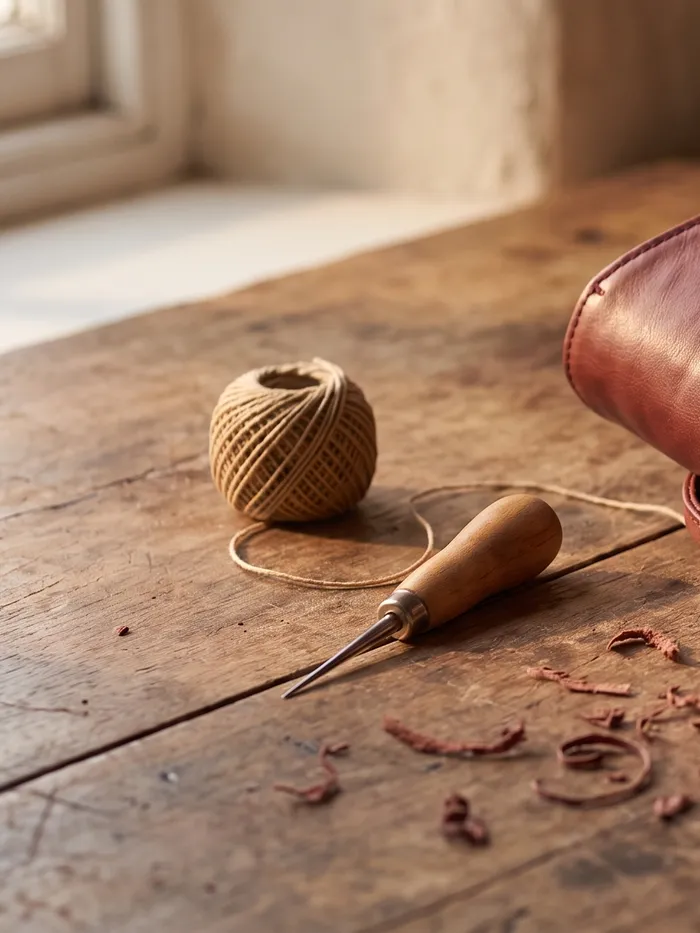
Cutting
You will never see this decision. You would have felt the wrong one.
Patterns are cut by hand with the grain of the hide, one layer at a time. Leather bends best along its own fibers, so a strap cut with the grain stays straight for decades. Speed never decides where the knife goes.
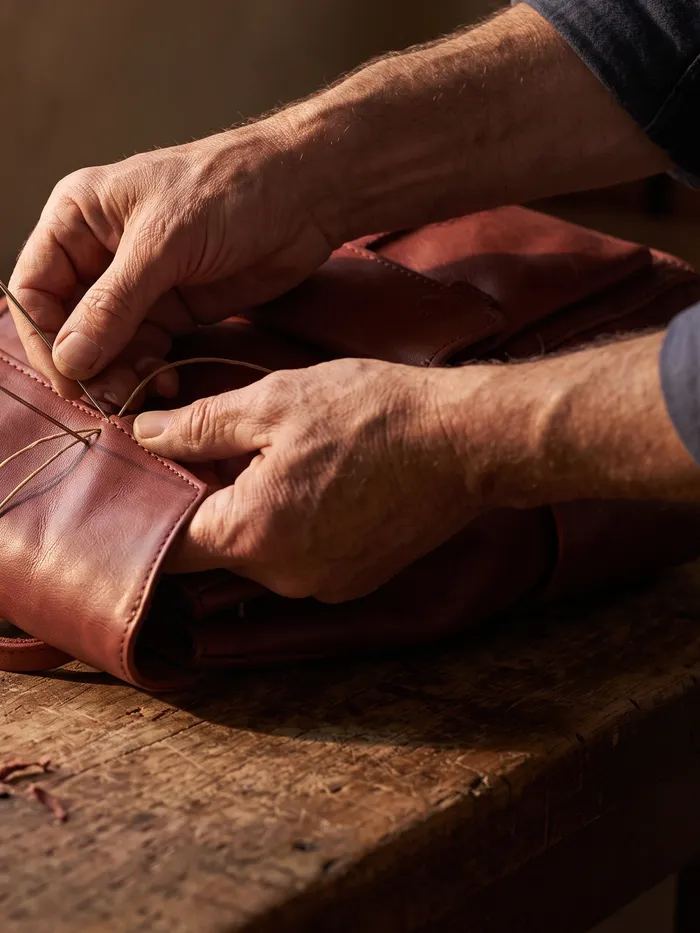
Construction
Most bags die of a failed seam. This one doesn’t have to.
Seams are sewn by hand with braided, waxed polyester thread and reinforced at every stress point. Just as important, they are built so they can be opened and redone — which is how a lifetime guarantee gets kept.
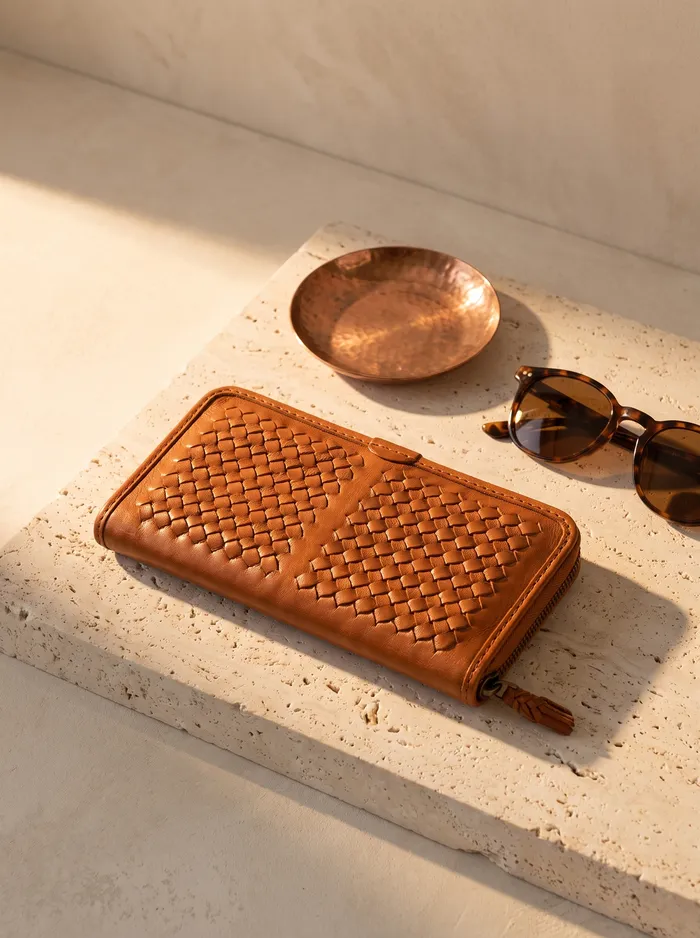
Weaving & lacing
Hands cannot repeat themselves. That is the point.
The signature of the workshop: panels woven strip by strip, edges finished with hand-laced trim, flowers and motifs cut and tooled from the same hide. No two pieces come out exactly alike.
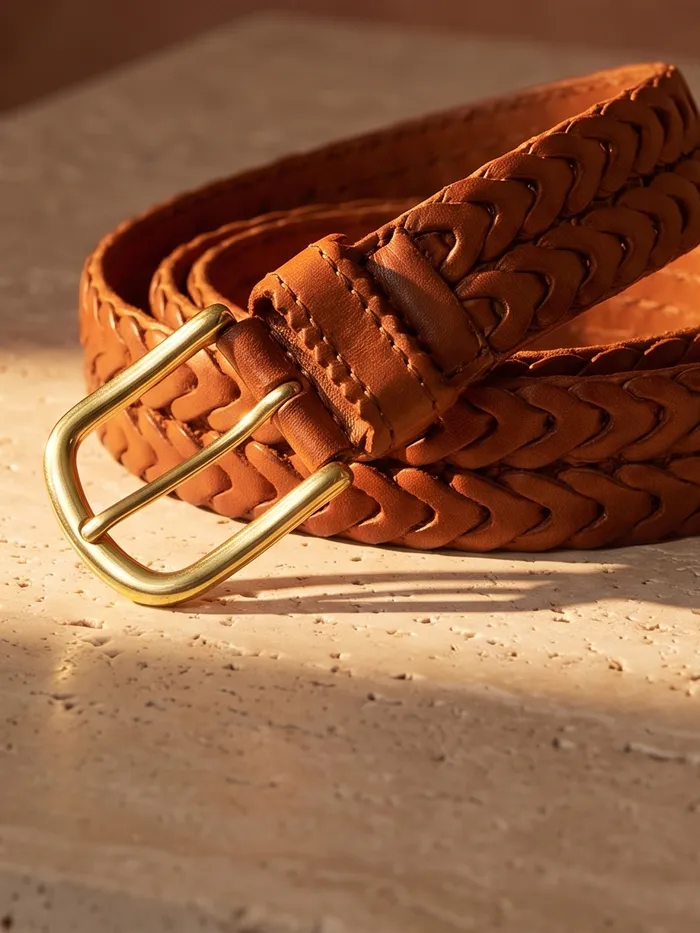
Uncoated brass
Plating chips and dates a bag. Brass just grows darker.
Buckles, hooks and rings are uncoated brass alloy — no galvanic plating to chip or fade — and on some pieces the clasps and locks are hand-cut from cattle horn. The hardware leaves the workshop bright and ages with the leather.
Three ingredients.
Full-grain is the top layer of the hide with its grain left intact — not sanded back, not split, not embossed with a pattern to hide what was sanded away. It is the strongest part of the skin and the only part that develops a patina instead of wearing through. It is also the least forgiving: every mark the animal carried stays visible, so a hide has to be good enough to leave alone.
Vegetable-tanned leather
It doesn’t stay the same. It becomes yours.
Tanned with eco-friendly agents and finished with a water-based natural cream that protects the surface. It arrives pale and firm, then spends years darkening into a color that belongs to you.
Kutnu & waxed thread
Most things you own loosen. This one tightens.
Braided cord, waxed and prepared for hand sewing — the stitching beds in and gets tighter with time. Inside many pieces: kutnu, a silk-cotton cloth woven on hand looms.
Uncoated brass
Nothing on the piece ages alone.
Left unplated, it ages to a deep umber, keeping pace with the leather — and on some pieces the clasps are hand-cut from horn.
“If a seam ever gives, we repair it. Forever. Free.”
Shop the collection